Pregnancy Calculator — Due Date, IVF & Conception Date
Calculate your due date, current week, trimester, fetal development, and prenatal screening timeline using LMP, conception date, or IVF transfer date.
For PCOS or irregular cycles, use your average cycle length. The due date adjusts automatically.
Health & Fitness Calculators
Track your health and fitness goals.
How to Use the Pregnancy Calculator
- 1. Choose Your Calculation Method
Select Last Menstrual Period (LMP), Conception Date, or IVF Transfer Date depending on what information you have available.
- 2. Enter Your Date
Enter the first day of your last period, conception date, or IVF embryo transfer date. Adjust cycle length if needed.
- 3. Click Calculate
Instantly see your estimated due date, gestational age, trimester, and pregnancy progress.
- 4. Review Your Full Pregnancy Timeline
Explore fetal development by week, prenatal screenings, delivery window, and download your pregnancy checklist.
Key Features of the Pregnancy Calculator
- Due date calculation from LMP
- Due date calculation from conception date
- IVF due date calculation (3-day and 5-day transfer)
- Irregular cycle support
- Gestational age calculator
- Trimester tracker
- Fetal development by week with measurements
- Prenatal screening timeline
- Downloadable pregnancy checklist
- Delivery window calculator (early term, full term, post term)
How Does the Pregnancy Due Date Calculator Work?
This calculator applies Naegele's Rule — the internationally accepted obstetric method for calculating the estimated due date (EDD). By entering your last menstrual period (LMP), a known conception date, or your IVF embryo transfer date, the calculator uses medically validated formulas to determine your due date, current gestational age, and pregnancy timeline. Results are estimates. Actual delivery dates vary based on fetal development, individual biology, and healthcare provider assessment.
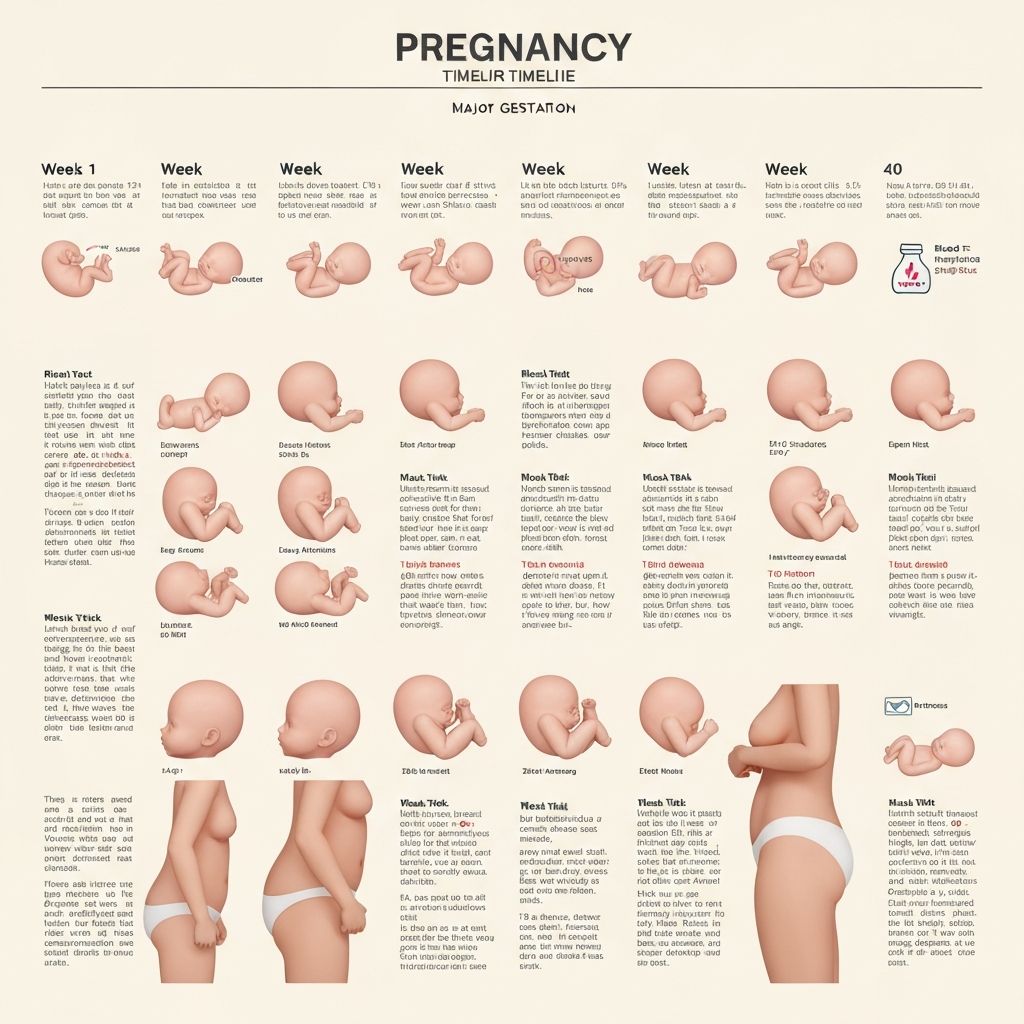
Pregnancy Term Classifications
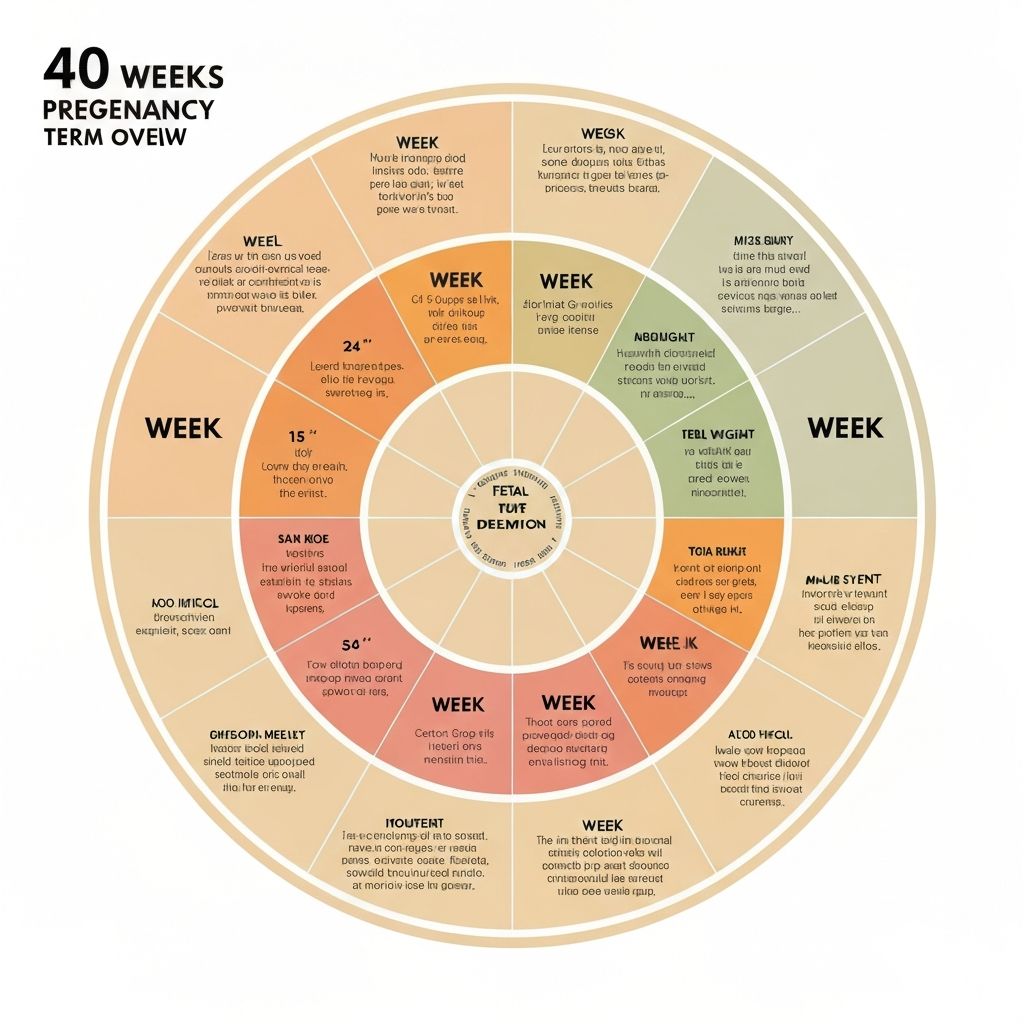
A full-term pregnancy lasts approximately 40 weeks (280 days) from LMP. The American College of Obstetricians and Gynecologists (ACOG) defines delivery timing classifications as follows:
Preterm — Before 37 weeks
Baby born before full lung and organ maturity. NICU support often required.
Early Term — 37–38+6 weeks
Birth outcomes are generally good but slightly higher risk than full term.
Full Term — 39–40+6 weeks
Optimal delivery window. Best outcomes for mother and baby per ACOG guidelines.
Late/Post Term — 41+ weeks
Monitoring intensifies. Induction typically offered by 41–42 weeks.
3 Methods to Calculate Your Due Date
Healthcare providers choose the most accurate dating method based on your individual situation. Each method has different precision levels.
1. Last Menstrual Period (LMP) — Most Common
The LMP method adds 280 days (40 weeks) to the first day of your last period. It assumes ovulation on day 14 of a 28-day cycle. This is the standard method used in clinical practice and aligns with ACOG guidelines. For irregular cycles (common with PCOS, perimenopause, or hormonal conditions), adjust the cycle length field — our calculator automatically corrects the due date.
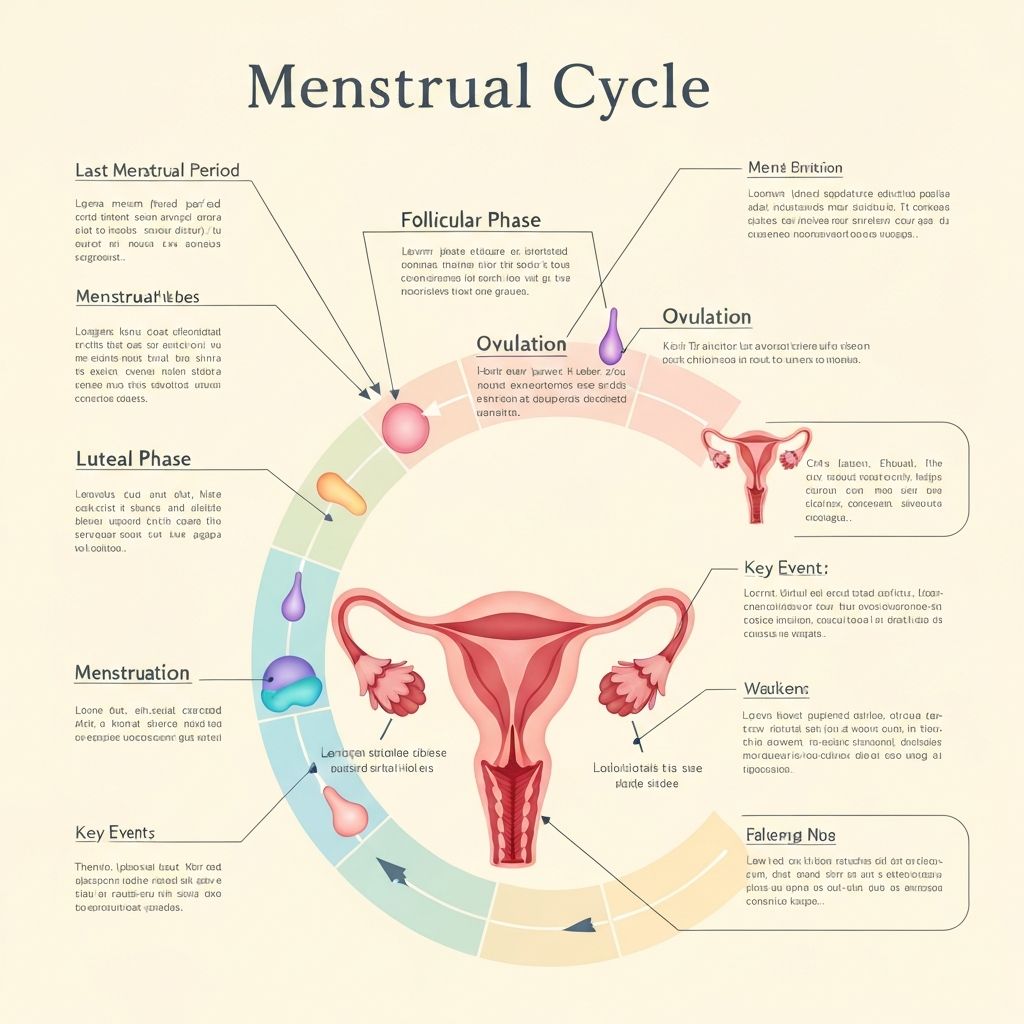
2. Conception Date (Known Ovulation)
If you know your conception date — through ovulation tracking, BBT charting, LH surge tests, or fertility monitoring — add 266 days (38 weeks) to calculate your due date. This method eliminates the assumption about ovulation timing and can be more accurate than LMP for women with irregular cycles. The calculator subtracts 14 days from your conception date to estimate your equivalent LMP date, then applies standard Naegele's Rule.
3. IVF Transfer Date (Most Precise)
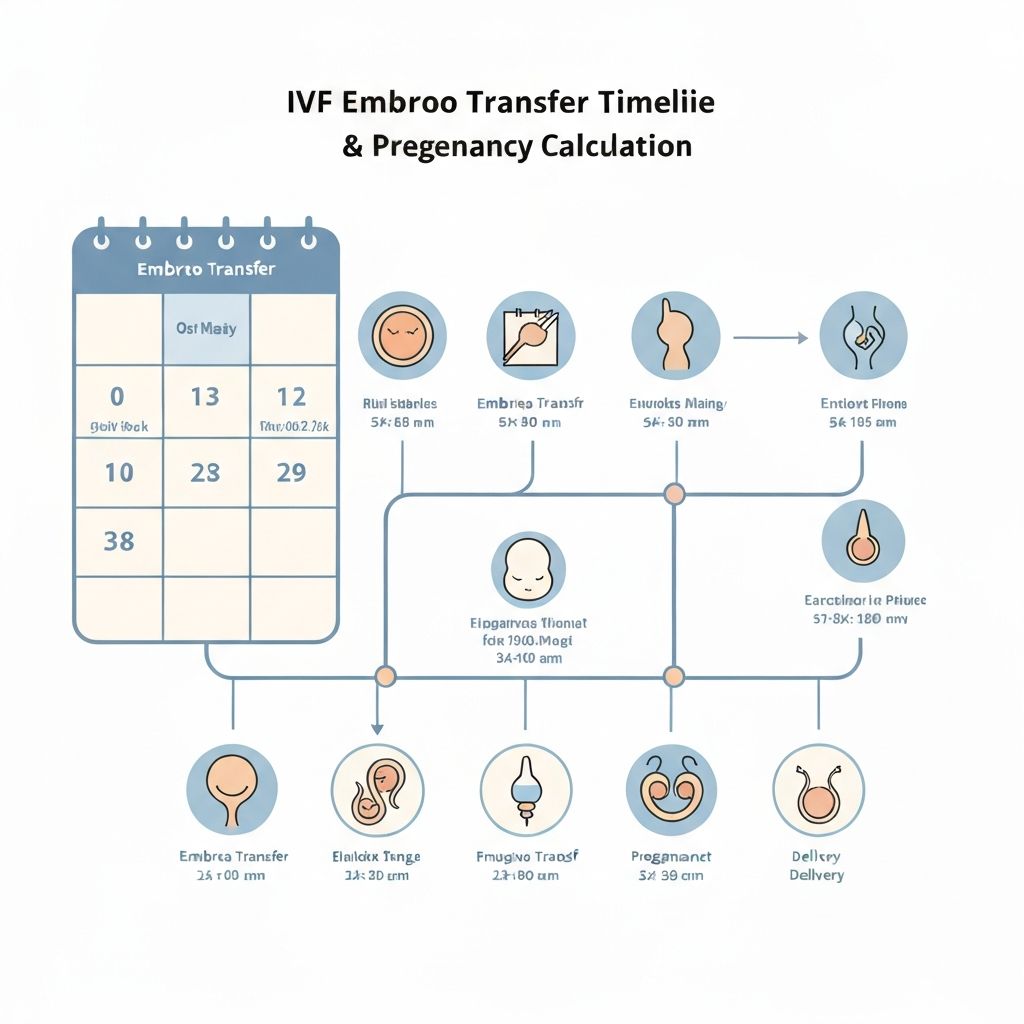
IVF pregnancies are dated with the highest precision because the embryo's exact developmental age is known at the time of transfer. The calculation differs by transfer type:
5-Day Blastocyst Transfer
Transfer date + 261 days = EDD
The embryo is 5 days old at transfer, equivalent to day 19 of a 28-day cycle.
3-Day Cleavage Transfer
Transfer date + 263 days = EDD
The embryo is 3 days old at transfer, equivalent to day 17 of a 28-day cycle.
Pregnancy by Trimester
Frequently Asked Questions
How accurate is a due date calculated from LMP?
LMP-based due dates are estimates with a margin of ±2 weeks. Only about 5% of babies are born on their exact due date. First-trimester ultrasound (before 14 weeks) is considered more accurate and is used to confirm or adjust the due date. If ultrasound dating differs from LMP dating by more than 5–7 days in the first trimester, most providers update the due date based on the ultrasound.
What is the difference between gestational age and fetal age?
Gestational age counts from the first day of your last menstrual period — it is approximately 2 weeks longer than fetal age. Fetal age (embryonic age) counts from the actual moment of conception. Healthcare providers use gestational age as the standard because the LMP date is typically known, while the exact conception date is often unknown. When this calculator shows '10 weeks pregnant,' your baby (fetus) is approximately 8 weeks old.
When does the second trimester start exactly?
The second trimester begins at the start of week 14 (day 92 of gestational age, counting from LMP). The first trimester ends at the end of week 13. The exact week 13/14 boundary is when most miscarriage risk decreases significantly, which is why many parents choose to announce their pregnancy at this point.
How is an IVF due date different from a natural pregnancy due date?
IVF due dates are typically more precise because the exact embryo age is known at transfer. For a 5-day blastocyst transfer, your due date is 261 days after the transfer date. For a 3-day embryo transfer, it is 263 days after transfer. IVF dating eliminates the uncertainty of not knowing when ovulation occurred, which is the main source of error in LMP-based calculations.
Can my due date change after it's been calculated?
Yes. Your healthcare provider may adjust your due date based on first-trimester ultrasound measurements, particularly crown-rump length (CRL) measured before 14 weeks. If the ultrasound date differs from your LMP-based date by more than 5 days (first trimester) or 10 days (second trimester), most guidelines recommend updating the due date. Ultrasound dating after the first trimester is less accurate for changing due dates.
What cycle length should I enter if I have PCOS or irregular periods?
Enter your average cycle length from the past 3–6 months if you have irregular cycles or PCOS. If your cycle length is highly variable (e.g., ranges from 25–50 days), use the average. If you know your ovulation date (from LH strips or ultrasound monitoring), use the Conception Date method instead — it will be more accurate than LMP for irregular cycles.
When should I announce my pregnancy?
Many people choose to announce after the first trimester (week 13–14) when miscarriage risk drops significantly — from about 10–20% in the first trimester to approximately 1–5% after week 12. Others announce after seeing a heartbeat on ultrasound (around week 6–8). Ultimately it is a personal decision based on your comfort level and support network.
Is my health data stored when I use this calculator?
No. All calculations on this tool run locally in your browser. Your LMP date, conception date, or IVF transfer date is never transmitted to any server, stored in any database, or shared with any third party. When you close or refresh the page, all entered data is gone.
Your Privacy is Protected
Your health data (last period date, conception date, IVF transfer date) is processed entirely in your browser and is never stored, transmitted, or shared with any server. All calculations happen instantly on your device.
The due date formulas used here are based on Naegele's Rule — the standard method taught in obstetric training worldwide since 1812. We cross-referenced the calculation logic against three primary sources before building this tool:
Obstetrics & Gynecology, Vol. 129 · May 2017 · American College of Obstetricians and Gynecologists
The definitive US clinical standard for pregnancy dating. Defines the 280-day LMP rule, ART-based dating for IVF pregnancies, and the exact thresholds for revising an EDD based on first-trimester crown-rump length (CRL) ultrasound measurements.
PubMed PMID: 31169958 · International Society of Ultrasound in Obstetrics and Gynecology
The fetal length and weight reference ranges shown per week in this calculator are based on ISUOG fetal biometry standards — the same reference charts used in clinical ultrasound practices globally to assess fetal size and gestational age.
PMC10988112 · Human Reproduction, Vol. 39(4) · April 2024 · European Society of Human Reproduction and Embryology
IVF transfer date calculations in this calculator (3-day cleavage vs. 5-day blastocyst) follow ESHRE-standard embryo transfer protocols — the same guidelines used by fertility clinics across the US, UK, and Europe to calculate EDD from embryo transfer date.
We verified calculator outputs against published clinical examples before launch and review the content whenever ACOG updates its dating guidelines. The prenatal screening schedule reflects 2024–2025 ACOG routine prenatal care recommendations.
A note on accuracy: No calculator replaces an early ultrasound. Crown-rump length measured before 14 weeks is the gold standard for due date confirmation — LMP-based methods have a natural margin of ±1–2 weeks depending on cycle regularity. Always confirm with your provider.
Content last reviewed: December 2025 · Updated January 2026
Important: This calculator provides estimates for educational purposes only. Every pregnancy is unique. Always consult your healthcare provider for personalized medical advice, accurate due date determination, and prenatal care guidance. Do not use this tool as a substitute for professional medical care.